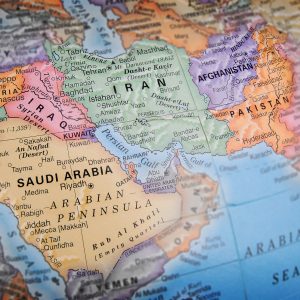
The escalating military conflict between Afghanistan and Pakistan has deep historical roots, marked by territorial disputes, ethnic tensions, and the influence of various militant groups. In recent years, cross-border attacks have intensified, with both nations accusing each other of harboring insurgents. Afghanistan alleges that Pakistani military intelligence supports the Taliban and other extremist factions, exacerbating instability in the region.
The conflict is further complicated by geopolitics. The U.S. withdrawal from Afghanistan in 2021 left a power vacuum, prompting fears in Pakistan of a resurgence of militant movements that could spill over its border. Conversely, Afghanistan’s current government, led by the Taliban, has been reluctant to engage in dialogue, often responding to incursions with military action.
Tensions have surged at the Durand Line, the contentious border that divides the two nations. Both sides have deployed troops, resulting in skirmishes that raise the potential for a larger confrontation. The humanitarian impact is profound, with civilians bearing the brunt of the violence. Displacement, economic downturns, and loss of life challenge both governments to find a sustainable resolution.
International diplomatic efforts are crucial to de-escalate tensions and foster a cooperative framework, but the intricate historical legacy complicates prospects for peace.
For more details and the full reference, visit the source link below: