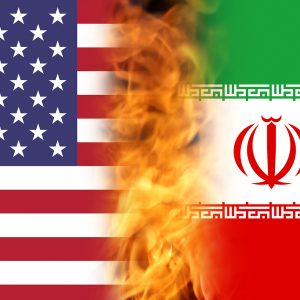
Former President Donald Trump has recently underscored the strategic importance of the Strait of Hormuz, calling on allied nations to bolster their presence and safeguard this critical maritime corridor. The Strait is a vital passage for global oil trade, with a significant percentage of the world’s petroleum supply transiting through its waters. In light of rising tensions in the Middle East, particularly with Iran’s aggressive posturing and military maneuvers, Trump’s appeal highlights a persistent concern over securing energy routes.
However, the response from allied nations remains uncertain. Many countries weigh their strategic interests and military commitments carefully, especially in an era where partnerships are tested by shifting geopolitical dynamics. Nations may fear entanglement in regional conflicts that do not align with their national priorities.
Moreover, the Biden administration’s approach to foreign policy has focused on diplomacy, prioritizing negotiations over military interventions. This shift may complicate Trump’s calls, as allies assess their readiness to engage militarily in the Strait. The nuances of international relations mean that while some countries might show willingness to cooperate, substantial support is neither guaranteed nor straightforward.
The situation remains fluid, and the call for enhanced security may ultimately provoke significant deliberations among allies.
For more details and the full reference, visit the source link below: