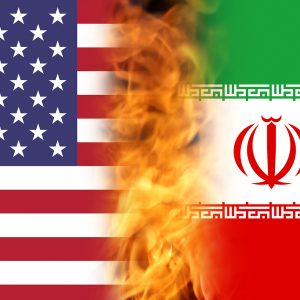
As tensions escalate in the Middle East, U.S. allies are exhibiting caution regarding President Trump’s requests for support in the Strait of Hormuz. This vital waterway is crucial for global oil shipments and has become a flashpoint for military and economic conflicts. Allies, including European nations, are wary of escalating their involvement amid concerns over the unpredictable nature of U.S. foreign policy under Trump’s administration.
Many countries fear that deeper engagement could inadvertently drag them into a broader conflict, especially given the potential for retaliation from Iran, which has threatened to disrupt shipping routes. Allies are also grappling with internal political dynamics and public opinion, as many citizens oppose military intervention abroad.
Furthermore, despite America’s longstanding role in safeguarding freedom of navigation, there is a palpable sense of fatigue regarding overseas military commitments. Countries such as France and the UK have shown a preference for a multilateral approach, favoring diplomatic solutions over military escalation. This caution reflects a broader reevaluation of alliances, as nations straddle the line between supporting U.S. interests and ensuring their own national security.
Ultimately, the complexity of the situation in the Strait of Hormuz reveals the delicate balance allies must strike between cooperation and caution.
For more details and the full reference, visit the source link below: