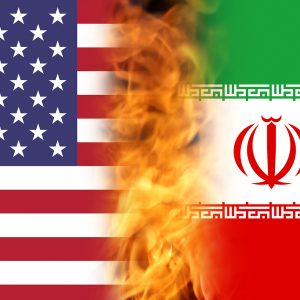
The conflict in the Middle East exerts significant influence on global economies, including China’s. As tensions escalate, the demand for resources like oil fluctuates, directly impacting China’s energy imports. Given that China heavily relies on Middle Eastern oil, disruptions in supply can lead to increased prices, destabilizing its economy.
Moreover, the conflict has led to supply chain interruptions, particularly in the textile and manufacturing sectors. Abandoned shoes—metaphors for wasted potential and lost opportunities—symbolize the broader economic implications of instability. Factories may face delays or closures, influencing production schedules and employment rates in China.
The notion of “full storage” reflects China’s challenges in managing inventory levels amid global uncertainties. With growing stockpiles in warehouses, enterprises struggle to adapt to demand shifts, compelling them to reassess strategies for both domestic consumption and exports.
In addition, China’s geopolitical interests prompt it to engage with various nations, potentially leading to a reallocation of resources and foreign investments. The interplay of conflict, economic policies, and international relations ultimately shapes China’s growth trajectory, highlighting the intricate connections between regional turmoil and global economic stability. Thus, the ramifications of the Middle East conflict resonate profoundly within the fabric of China’s economy, influencing everything from resource management to consumer behavior.
For more details and the full reference, visit the source link below: