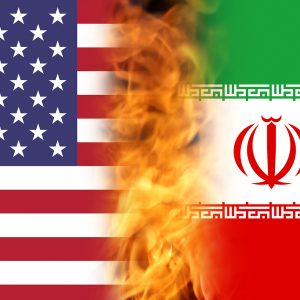
The deployment of 2,500 U.S. Marines to the Gulf region is primarily strategic, reflecting both geopolitical and security concerns. One significant reason for this move is to enhance regional stability amid rising tensions. The Gulf has seen escalating threats from various actors, including state-sponsored terrorism and hostile military activities. Reinforcing military presence aims to deter aggression from adversarial nations, particularly in the context of ongoing conflicts and power struggles in the Middle East.
Additionally, this troop deployment serves as a rapid response force in case of emergencies or humanitarian crises. The Marines are well-suited for quick mobilization, allowing them to engage in rescue missions or provide aid during natural disasters. Their versatility also extends to counterterrorism operations, where they can assist regional allies in combatting extremist groups.
Moreover, the deployment reinforces alliances with partner nations in the Gulf. Joint training exercises and operations bolster interoperability among armed forces, enhancing collective defense capabilities against common threats. These roles exemplify the U.S. commitment to maintaining a security presence in the region, ultimately aiming to protect U.S. interests and support global stability. In summary, the deployment of Marines underscores a multifaceted approach to national security, regional partnerships, and crisis management in a volatile environment.
For more details and the full reference, visit the source link below: