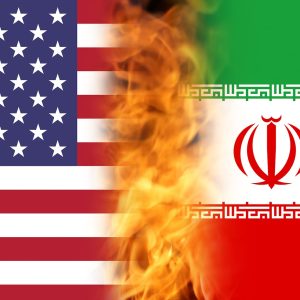
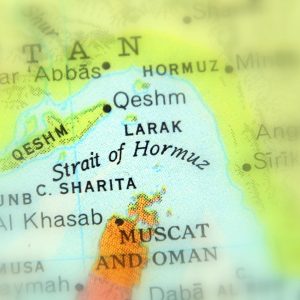
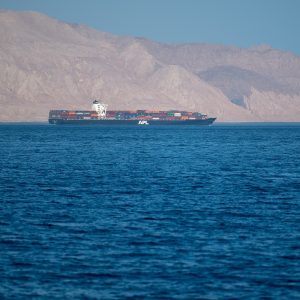
“Opening the Strait” sounds straightforward, but it encompasses a web of intricate geopolitical, environmental, and sociocultural issues. Strategically significant straits, such as the Strait of Hormuz or the Strait of Malacca, are vital for global trade and energy supplies. Thus, any attempts to “open” these passageways involve navigating tensions between nations that control or claim parts of them.
The geopolitical landscape is often fraught with historical conflicts and competing territorial claims. Countries may impose restrictions based on national security concerns, leading to potential military confrontations. Moreover, the involvement of external powers can complicate regional dynamics, turning what seems like a logistical issue into a battleground of diplomacy and conflict.
Environmental factors also play a crucial role. Straits are often ecologically sensitive areas. Increased shipping traffic can lead to pollution, habitat destruction, and other environmental issues that necessitate careful consideration.
Lastly, local communities that depend on these waterways for fishing and tourism may have vested interests in how they are managed. Balancing economic benefits with ecological health and community needs requires a multifaceted approach.
In summary, “opening the Strait” is not merely about enabling navigation; it’s about understanding the complex interplay of diplomacy, environment, and human livelihoods. The stakes are high, and the implications vast.
For more details and the full reference, visit the source link below:
Read the complete article here: https://www.stl.news/strait-of-hormuz-crisis-why-opening-strait/