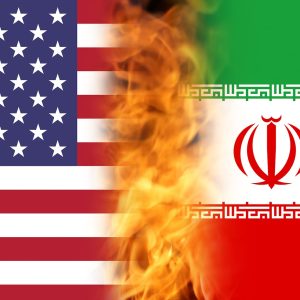
In March 2023, NATO’s missile interceptions in Eastern Europe sparked renewed debates about the alliance’s role in global security amid escalating tensions with Iran. The interceptions, targeting missiles potentially launched from hostile regions, illuminated NATO’s commitment to protecting member states and its capability to adapt to emerging threats. Analysts emphasize that the increase in missile activities coincided with heightened instability in the Middle East, particularly stemming from Iran’s assertive military maneuvers and its nuclear program advancements.
These developments have raised fresh concerns among NATO members about the potential for direct conflict. As Iran’s influence expands and its missile technology advances, NATO’s defensive strategies are under scrutiny. The alliance’s ability to effectively coordinate and respond to such threats is crucial, especially in light of its eastern European members feeling more vulnerable.
Moreover, this situation has intensified discussions on the need for greater military collaboration among NATO states. Some experts argue for an expansion of missile defense systems in Europe to bolster regional security. As geopolitical tensions rise, the implications of these interceptions extend beyond immediate military responses, prompting a reevaluation of diplomatic strategies and alliances in a rapidly changing global landscape. Ultimately, the unfolding events underscore the intricate balance between deterrence and diplomacy in international relations.
For more details and the full reference, visit the source link below: