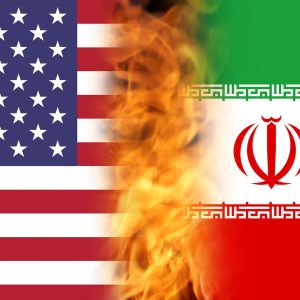
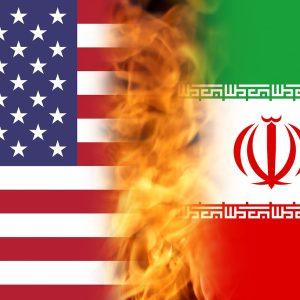
As tensions escalate in conflict zones around the world, the precariousness of ceasefires has become increasingly evident. Recent agreements, while providing a temporary respite, are continuously tested by ongoing hostilities and the looming deadlines for negotiations. These ceasefires serve as fragile buffers, allowing humanitarian aid to reach affected populations and providing a window for dialogue. However, the clock is ticking, and the pressure mounts as factions prepare for potential re-escalation.
The international community watches closely, urging all parties to adhere to the terms of these agreements. Diplomatic efforts are intensified, but the reality on the ground remains complex. Trust between conflicting parties is often eroded by past grievances and mutual suspicion, making lasting peace difficult to achieve.
As the deadline approaches, critical decisions will have to be made. Will the ceasefire hold, paving the way for substantive talks, or will it crumble under the weight of entrenched positions? The stakes are high, not just for those directly involved in the conflict, but for regional stability and global security. The situation calls for concerted efforts from global leaders to reinforce commitments, ensuring that the cycle of violence does not resume and that a more enduring peace becomes a tangible goal.
For more details and the full reference, visit the source link below: