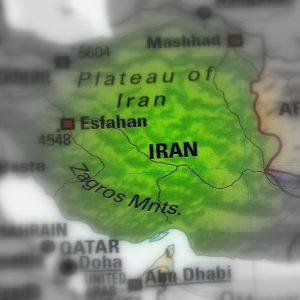
As tensions in the Middle East escalate, the Strait of Hormuz, a vital chokepoint for global oil transit, is experiencing increasing disruptions. The ongoing conflict between Iran and various international stakeholders has raised alarms about potential blockades or military interventions, prompting fears of substantial impacts on the global economy. Approximately 20% of the world’s oil supply passes through this narrow waterway, making it a critical artery for energy trade.
Iran’s recent actions, including missile tests, naval exercises, and confrontations with shipping vessels, have fueled concerns about maritime security in the region. These aggressive postures not only threaten to elevate oil prices but also disrupt supply chains reliant on consistent energy flow.
Countries heavily dependent on Middle Eastern oil, such as those in Europe and Asia, are particularly vulnerable to price shocks and supply interruptions. Analysts warn that if tensions continue to rise, the resulting economic fallout could extend beyond the energy sector, affecting global markets and trade dynamics.
Diplomatic efforts are essential to de-escalate tensions and prevent further disruptions. The international community must work collaboratively to ensure that freedom of navigation in the Strait of Hormuz is maintained, safeguarding both regional stability and the global economy.
For more details and the full reference, visit the source link below:
Read the complete article here: https://www.stl.news/iran-conflict-intensifies-as-strait-of-hormuz/