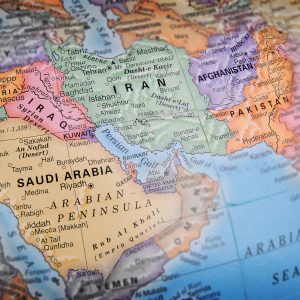
In a tense escalation of Middle Eastern conflict, the United States launched air strikes against Iranian positions, citing an urgent need for self-defense amidst a deteriorating ceasefire. The strikes were prompted by a series of provocations, including attacks on U.S. assets and allies in the region. As diplomatic efforts falter and tensions rise, the strategic Strait of Hormuz, a critical maritime passage for global oil supplies, remains closed, exacerbating fears of a wider conflict.
The U.S. government has reiterated its commitment to protecting its personnel and interests in the region, emphasizing that the strikes were necessary to deter further Iranian aggression. However, critics argue that such military actions could inflame an already volatile situation and complicate ongoing diplomatic negotiations. The closure of the Strait of Hormuz, vital for the flow of oil, signals serious economic ramifications, affecting global markets and energy prices.
As the ceasefire frays, the international community watches closely, urging restraint from both sides. The risk of miscalculation looms large, with the potential for rapid escalation into a broader war. Amidst this backdrop, the future of U.S.-Iran relations remains uncertain, as both nations grapple with the consequences of military engagement.
For more details and the full reference, visit the source link below:
Read the complete article here: https://www.stl.news/u-s-strikes-iran-in-self-defense-as-ceasefire/