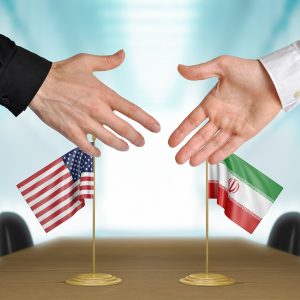
In 2015, the Obama administration forged the Joint Comprehensive Plan of Action (JCPOA) with Iran, aiming to restrict its nuclear capabilities in exchange for lifting economic sanctions. The deal was characterized by a rigorous monitoring framework and included sunset provisions that would gradually lift limitations on Iran’s nuclear activities. The agreement drew mixed reactions, with proponents praising it for preventing a nuclear-armed Iran and critics arguing it failed to address Iran’s regional aggression and missile program.
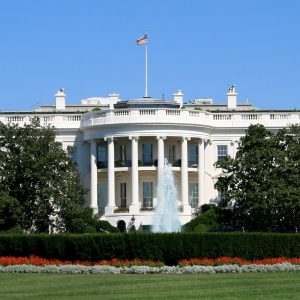
Fast forward to 2026, the Trump administration’s proposed framework seeks to recalibrate U.S. policy towards Iran. While maintaining a tough stance on Iran’s nuclear ambitions, Trump’s approach promises a broader strategy that integrates regional security concerns, including Iran’s ballistic missile program and its influence in neighboring countries. The 2026 framework emphasizes stronger international alliances and aims for a more comprehensive deal that would not only reinforce nuclear restrictions but also address Iran’s destabilizing behavior in the Middle East.
While the JCPOA focused primarily on nuclear non-proliferation, Trump’s vision reflects a more holistic strategy, emphasizing deterrence and the importance of regional stability. Ultimately, both frameworks underscore the complexities of negotiating with Iran and the ongoing debate over how best to ensure U.S. and global security.
For more details and the full reference, visit the source link below: