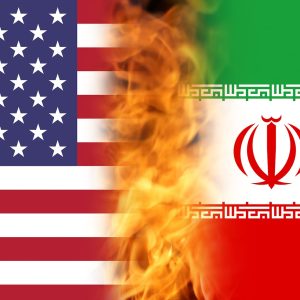
The recent escalation of the U.S. military’s bombing campaign in Iran exemplifies a precarious geopolitical tightrope act, balancing between military action and diplomatic resolutions. As a ceasefire intended to stabilize the region crumbles, the U.S. finds itself resorting to intensified airstrikes, which aim to dismantle militias linked to Iranian influence. This military strategy raises critical questions regarding the efficacy and long-term outcomes of such aggressive tactics.
In the wake of the ceasefire’s breakdown, tensions have surged not only between the U.S. and Iran but also among regional allies. The bombing campaign is designed to curtail the influence of Iran-backed forces in Iraq and Syria, but risks igniting further unrest and complicating the already fragile security landscape. This tightrope act demands careful navigation; an overreliance on military solutions could alienate local populations and partners, undermining broader U.S. interests in the region.
Moreover, the potential for civilian casualties and humanitarian crises adds a layer of ethical implications. The U.S. must weigh its immediate security objectives against the long-term repercussions on its image and influence in the Middle East. As the situation evolves, the balance between military and diplomatic efforts remains crucial for achieving sustainable peace.
For more details and the full reference, visit the source link below:
Read the complete article here: https://www.stl.news/us-military-deepens-iran-bombing-campaign/