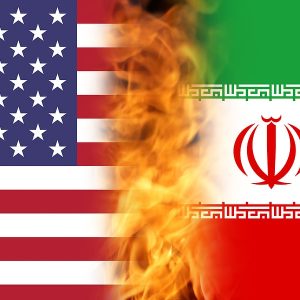
The future of alliances, particularly in a geopolitical context, is poised for significant transformation. As global dynamics shift, driven by economic, technological, and environmental factors, the nature of international partnerships must adapt. For traditional military alliances, such as NATO, this could mean a greater emphasis on collective security in addressing non-traditional threats like cyber warfare and climate change.
Moreover, the rise of multipolarity—where multiple nations hold significant global influence—calls for more flexible and inclusive coalitions. Countries may increasingly seek partnerships that prioritize mutual interests and values, rather than rigid structures based solely on historical ties. This could lead to more dynamic alliances that pivot according to emerging challenges.
Additionally, technological advancements will play a crucial role in future alliances. Collaborative efforts in technology-sharing, innovation, and cybersecurity will become cornerstones of strategic partnerships.
As democratic values and human rights face challenges worldwide, alliances that champion these principles may forge stronger bonds. In essence, the future of alliances will likely be characterized by adaptability, cooperation across diverse sectors, and a commitment to addressing the complexities of a rapidly changing global landscape. By embracing these shifts, alliances can remain relevant and effective in safeguarding shared interests in an unpredictable world.
For more details and the full reference, visit the source link below:
Read the complete article here: https://www.stl.news/nato-refuses-u-s-support-ran-war-what-it-means/