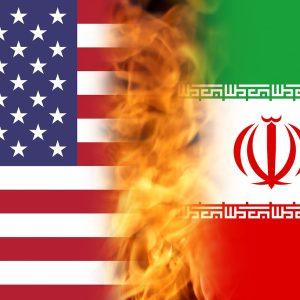
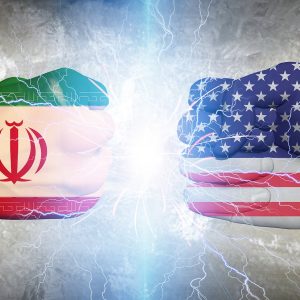
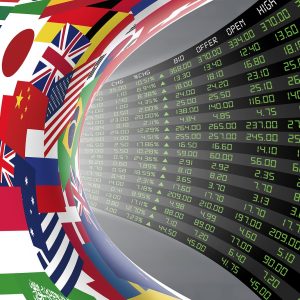
Geopolitical friction and market realities are increasingly intertwined in today’s global landscape. As nations grapple with rising tensions—whether due to territorial disputes, trade wars, or ideological conflicts—these frictions manifest in market volatility and economic uncertainty. For instance, sanctions imposed on countries often disrupt supply chains and induce erratic pricing in commodities like oil and gas, leading to ripple effects across global markets.
In response to these tensions, businesses are compelled to reassess their strategies and adapt to shifting landscapes. Diversification of supply sources and regional investments have become paramount as firms seek to mitigate risks associated with geopolitical instability. Furthermore, innovative technologies and digital currencies are emerging as potential stabilizers in an unpredictable economic environment.
The quest for equilibrium involves not only navigating these complexities but also fostering dialogue among nations to alleviate tensions. Diplomatic efforts aimed at minimizing geopolitical risks could pave the way for more stable market conditions. As the world becomes increasingly interconnected, the interplay between geopolitical dynamics and market realities will continue to shape policies and economic strategies.
Ultimately, achieving equilibrium requires a multifaceted approach, balancing national interests with global cooperation, and recognizing the profound impact that geopolitical changes can have on economic systems.
For more details and the full reference, visit the source link below:
Read the complete article here: https://www.stl.news/the-strait-of-hormuz-energy-crisis/